
Comparing Thailand Sanctuaries for Endangered Elephant Survival

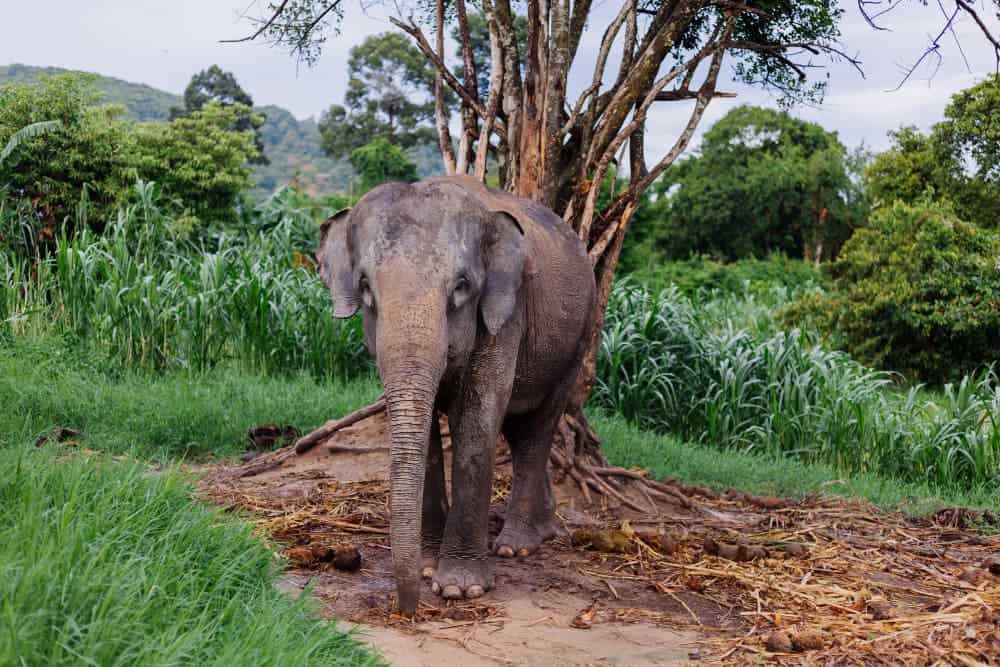
Thailand hosts several sanctuaries dedicated to the survival of endangered Asian elephants, focusing on rescue, rehabilitation, and ethical tourism. These facilities provide refuge for elephants rescued from logging camps, circuses, and abusive tourism practices. Visitors interested in elephant welfare can choose sanctuaries that prioritize no-riding policies, natural foraging, and veterinary care. This article compares key sanctuaries in regions like Chiang Mai, Koh Samui, and Koh Phangan, highlighting their contributions to endangered elephant survival. By examining their approaches to rescue, volunteer programs, and visitor experiences, readers gain insights into supporting ethical elephant conservation. Factors such as location, elephant population, and program offerings help in selecting the best option for meaningful engagement. Understanding these differences ensures contributions aid long-term survival efforts for this vulnerable species, which faces threats from habitat loss and poaching.
Understanding Ethical Practices in Thai Elephant Sanctuaries
Ethical elephant sanctuaries in Thailand adhere to standards that promote animal welfare over entertainment. These facilities avoid elephant rides, shows, or hooks, allowing animals to exhibit natural behaviors like mud bathing and social interactions. Sanctuaries often rescue elephants from exploitative environments, providing medical treatment and spacious habitats that mimic the wild. For endangered elephant survival, ethical operations focus on breeding programs, anti-poaching initiatives, and community education. Visitors play a role by participating in feeding or observation activities that fund these efforts without disturbing the animals. Comparing sanctuaries reveals variations in oversight; some collaborate with international wildlife organizations for transparency. This commitment ensures rescued elephants receive lifelong care, contributing to population stability. Tourists seeking ethical elephant tours in Thailand should verify no-contact policies and sustainable funding models to support genuine conservation.
Key Indicators of Ethical Operations
Look for sanctuaries with transparent rescue histories and veterinary records. Facilities that house diverse age groups, from young calves to elderly elephants, demonstrate comprehensive care. Ethical sites limit visitor numbers to prevent stress, often capping daily tours at small groups. Programs emphasizing education on Asian elephant behaviors, such as trunk usage for communication, enhance visitor understanding. In Thailand, sanctuaries like those in northern regions rescue elephants from floods or abuse, integrating them into family units for psychological health. Southern options near islands focus on marine-adjacent threats. These indicators help compare facilities for their impact on endangered species survival, ensuring visits align with welfare goals.
Impact on Endangered Species Survival
Ethical sanctuaries bolster survival by rehabilitating injured elephants and preventing illegal trade. They provide data on population health, aiding global conservation strategies. In Thailand, where Asian elephants number around 3,000 in the wild, sanctuaries act as safe havens, reducing human-elephant conflicts. By funding habitat protection, these sites support broader ecosystems. Visitors’ participation in ethical tours directly finances veterinary care and food supplies, crucial for long-term survival. Comparing northern versus island sanctuaries shows how each addresses regional threats, from deforestation to tourism exploitation, fostering resilient populations.
Top Sanctuaries in Northern Thailand for Elephant Rescue
Northern Thailand, particularly around Chiang Mai, features prominent sanctuaries dedicated to elephant rescue and rehabilitation. These areas benefit from cooler climates and vast lands suitable for large enclosures. Facilities here often rescue elephants from highland logging operations, providing mud pits and foraging areas to encourage natural behaviors. Volunteer programs allow hands-on involvement in feeding and cleaning, supporting daily care for rescued animals. Ethical tours emphasize observation from platforms, minimizing human impact. For endangered elephant survival, northern sanctuaries excel in large-scale rescues, housing dozens of elephants with specialized medical teams. Visitors appreciate the immersive experiences that educate on elephant welfare in Thailand, making these sites ideal for those planning elephant tours in the region.
Elephant Nature Park: A Model for Large-Scale Rescue
Located 37 miles from Chiang Mai, this 250-acre sanctuary homes over 70 Asian elephants, including those rescued from floods and abuse. A typical day starts at 7am with volunteer tasks like preparing food—elephants consume up to 600 pounds daily. Tours include hotel pickups and 90-minute journeys, offering views of elephants bathing and interacting. Weekly volunteer stays cost around 12,000 Baht, including lodging and meals, with 2-3 hours of morning and afternoon work. The park also shelters dogs rescued from 2011 Bangkok floods, showcasing holistic animal care. This setup supports endangered survival by rehabilitating traumatized elephants, allowing them to form natural herds.
Comparing Northern Facilities for Volunteer Opportunities
Northern sanctuaries vary in volunteer intensity; some require full-day commitments, others offer half-day options. Programs focus on ethical feeding, where participants learn about nutritional needs without direct contact. Compared to southern sites, northern ones handle more logging rescues, emphasizing strength recovery for working elephants. Ethical standards ensure no chaining, promoting free movement. For those interested in volunteering with elephants, these facilities provide training on observing behaviors like ear flapping for cooling, enhancing conservation knowledge.
Southern Island Sanctuaries: Focus on Koh Samui and Koh Phangan
Southern Thailand’s island sanctuaries, such as those on Koh Samui and Koh Phangan, address tourism-related rescues in coastal areas. These facilities offer serene settings with beach proximity, ideal for elephants recovering from circuses or street begging. Ethical practices include morning and afternoon tours centered on observation and feeding programs. Sanctuaries here emphasize small group sizes to reduce stress, allowing elephants to roam forested areas. For endangered survival, island sites contribute by raising awareness among international tourists, funding anti-trafficking efforts. Programs like one-day volunteering involve mud preparation and fruit chopping, directly aiding welfare. Comparing these to northern counterparts highlights their focus on tropical adaptations, such as shade structures against heat.
Samui Elephant Haven: Ethical Tours and Rescue Efforts
This elephant sanctuary samui provides morning and afternoon tours, plus feeding and volunteer programs for rescued elephants. Activities include watching natural behaviors in a lush environment, supporting Koh Samui’s elephant welfare initiatives. The haven rescues elephants from exploitative tourism, offering rehabilitation through ethical interactions. Visitors learn about Asian elephant social structures during guided sessions, contributing to survival funds. Compared to larger parks, it offers intimate experiences with fewer crowds, ideal for personalized engagement.
Koh Phangan Sanctuary: Community-Driven Conservation
Nearby on Koh Phangan, this sanctuary focuses on local rescues, integrating elephants into island ecosystems. Tours highlight feeding programs with fresh island fruits, educating on dietary needs. Volunteer options span full days, involving habitat maintenance. Ethical standards prohibit rides, prioritizing welfare. For endangered elephants, it supports survival by partnering with communities to prevent habitat encroachment, differing from mainland sites by emphasizing eco-tourism integration.
Comparing Volunteer Programs Across Thai Sanctuaries
Volunteer programs in Thai sanctuaries vary by duration and involvement, all aimed at supporting endangered elephant survival. Northern sites offer week-long stays with structured tasks, while southern islands provide flexible one-day options. Participants assist in feeding—elephants need 50 gallons of water daily—and cleaning enclosures, learning ethical handling. Costs range from daily fees to inclusive packages with lodging. These programs fund rescues, ensuring sanctuaries remain operational. Comparing them reveals northern facilities suit committed volunteers, whereas island ones appeal to short-term travelers. Ethical volunteering avoids direct riding or bathing, focusing on observation to respect animal autonomy. Such participation educates on elephant recovery, from physical healing to behavioral rehabilitation.
Choosing the Right Program for Your Schedule
Assess time availability: full-day programs involve 4-6 hours of activity, while multi-day options include overnight stays. Northern sanctuaries like those near Chiang Mai require travel, but offer deeper immersion. Southern ones, such as on Koh Samui, provide easy access for island hoppers. Look for programs teaching Asian elephant behaviors, like trunk dexterity for foraging. Ethical sites ensure volunteers receive orientations on welfare protocols, maximizing impact without harm.
Benefits of Volunteering for Elephant Welfare
Volunteering directly aids survival by providing labor for care routines, freeing funds for medical needs. Participants gain insights into rescued elephants’ journeys, from abuse recovery to herd integration. Compared across regions, programs foster global awareness, encouraging donations post-visit. In Thailand, these efforts help stabilize populations facing extinction risks, with volunteers often reporting transformative experiences that inspire advocacy.
How Visiting Sanctuaries Supports Endangered Elephant Survival
Visits to ethical elephant sanctuaries in Thailand generate revenue for conservation, directly funding rescues and habitat expansion. Tour fees support veterinary care for aging elephants, whose life expectancy in captivity can reach 60 years with proper management, compared to wild threats shortening it. Ethical tours educate on impacts like habitat loss, empowering visitors to advocate. Comparing sanctuaries shows how northern sites handle volume rescues, while southern ones focus on tourism reform. Participation in feeding programs or observations ensures funds go to welfare, not exploitation. For global survival, these visits reduce demand for unethical attractions, promoting sustainable models.
The Role of Tourism in Conservation Funding
Tourism sustains sanctuaries by covering food and medical costs—elephants eat 200-600 pounds daily. Ethical visits, like guided tours, minimize disruption while maximizing education on behaviors such as communal trunk touching. In Thailand, this model has rescued hundreds, contributing to species recovery. Southern island sanctuaries leverage tourist influx for ongoing support, differing from inland sites reliant on volunteers.
Long-Term Survival Strategies from Sanctuary Models
Sanctuaries implement rewilding trials and anti-poaching patrols, informed by resident elephant health. Comparing approaches, northern facilities emphasize research, while islands prioritize community ties. Visitors’ contributions enable these strategies, fostering hope for endangered populations through ethical engagement.
In summary, comparing Thailand’s sanctuaries reveals diverse paths to endangered elephant survival, from northern rescue hubs to southern ethical havens. Prioritize facilities with transparent practices and volunteer options for impactful visits. For those near Koh Samui, Samui Elephant Haven offers tailored ethical experiences that align with welfare goals. Choose based on location and interests to make a difference.